Showing posts with label Reviews. Show all posts

Sunday, March 15, 2026

Dream within a dream: a reflection on consciousness

Sailen Routray


Can we dream inside another dream? This short reflection explores the shifting boundary between dream, illusion, and waking reality.

This is a theme that is often explored in literature, both ancient and modern. Probably dreaming is not so completely divorced from waking life. For example, Ramakanta Samantaray explores this in his poem 'Magician'. But ancient texts such as the novel 'The Nine Cloud Dream' by Kim Man-Jung do this with style. This short reflection on the book explores layers of consciousness, memory, and perception. 

'The Nine Cloud Dream' is one of the best loved books in Korean literature. A few years back a desire to fill the Pacific-sized holes in my literary education took hold of me. I started accumulating a few classics from across the world, especially those from East Asia. 'The Nine Cloud Dream' was one of these. But as often happens, the mere fact of buying the books seemed to satisfy me and I never really got around to reading the volumes themselves. 

I don't know how, but I finally started this journey (am I glad!) and began reading this Korean masterpiece translated by Heinz Insu Fenkl. Dr. Fenkl is a Professor of English at SUNY New Paltz. He was born in South Korea. He has a German father and a Korean mother. He grew up in Korea until he was twelve and then moved to Germany. He is now settled in the USA. Over the last three decades he has built a steady reputation for his work as an author, editor, translator, and folklorist specialising in Korean literature.

The author of the novel, Kim Man-Jung, was a bureaucrat-politician in 17th century Korea. But now he is remembered primarily as the author of the novels 'The Nine Cloud Dream' and 'Record of Lady Sa's Trip to the South'. The latter describes the political situation of his times through satire, although it is set in Ming dynasty China. The former novel, set in ninth century Tang dynasty China, has strong Buddhist overtones. It narrates the experiences of a young Buddhist monk, Hsing-chen. He has a chance encounter with eight fairies, which brings forth latent desires that are seen by his master as unseemly. For this he is banished from the monastery and is reincarnated into a life of luxury as Shao-yu.

Over the course of a few years, Shao-yu rises to become an important state official, trusted by the emperor and becomes his brother-in-law. Apart from this Chinese princess, he also ends up with seven other beautiful and accomplished women as spouses (taken either as wife or concubine). The narrative arc is that of a bildungsroman fantasy. 

One of the most refreshing things in the book is its wholesome and capacious notion of human sexuality. For an Indian, the shared Buddhist heritage makes many of its aspects immediately accessible. Reading this novel (an almost contemporary of 'Don Quixote' and 'Robison Crusoe') helps us see the many pasts of the novel, and enables us to reimagine for it plural futures. It is also just unputdownable.
     
Details of the bookKim Man-jung. 2019. The Nine Cloud Dream (translated by Heinz Insu Fenkl). Penguin. 

NoteThere are perhaps a multitude of ways in which we are located at an odd angle from our own realities, as Bharat Majhi explores in his poem 'The Black Sheep'.

Sunday, February 15, 2026

Who was Kabir anyway?

Sailen  Routray


I did not first hear Kabir. I first came across his work in the pages of a book of translation of his songs into Odia by a very famous poet whose work I am extremely fond of. However, this particular attempt at translation was a complete washout. I first heard Kabir's songs when I was studying in Bombay, well into my twenties, and I heard him in the renditions by Kumar Gandharva on a tape recorder. This was like coming back to a home I never thought I had once or had lost subsequently.

There are of course many Kabirs. There is the Kabir of the Kabirpathis, who is a saint more than anything else. There is the Kabir of the cosmopolitan elite who find in their own appreciations of his earthy wisdom a way of connecting to the roots, whatever that may mean. There is also the Kabir of the secularist in the woods, who locates in him a very important instantiation of the syncretic traditions of India. And there is the Kabir of the school textbooks that children in the Hindi speaking tracts and elsewhere encounter, and this perhaps forms how increasingly many Indians meet Kabir for the first time.    

In this context, 'Kabir: the weaver-poet' is an important addition to children's literature as it provides a wide-eyed yet sympathetic introduction to the life and work of Kabir to children. The book is a work of fiction. It captures one day from the life of Kabir. Through encounters with various characters who relate to him in a multitude of ways, some are fans of his songs and wisdom, and othersespecially those in positions of powerwho find him unsettling, the readers come to know various aspects of Kabir the man, as the author imagines him to be.

Writing the book must have entailed a huge amount of labour of love. The author has done research into weaving to be able to write the story. It is visible in the way they discuss Kabir's weaving work and its relationship with his poetry. In fact, various objects related to the weaving process, such as spools of threads, the warp and the weft come alive as characters who try and save Kabir from himself. The narrative also beautifully weaves together some of Kabir's couplets into the story and shows how the performance of these songs was perhaps an integral part of the creation of the myth of Kabir even when he was alive.

'Kabir: the weaver-poet' makes for racy reading. The book is a must read for both children and those who work with them. The volume is also for anyone who wants to cultivate familiarity with Kabir and other saint-poets like him, as it makes the man Kabir come alive for us. Otherwise, he perhaps remains as another wise old man residing in the nooks and crannies of textbooks for most of us who inhabit spaces in urban India. The book is also very good to think with for approaching writing on authors who populate children's lifeworlds.

Details about the book: Jaya Madhavan. 2013 (first Indian print in 2006). 'Kabir: the weaver-poet'. Chennai: Tulika Publishers. Age: 12+.

Thursday, January 15, 2026

Beyond suffering and happiness

Sailen Routray


When you read a story and someone asks you what is it about, what do you say to them? More often than not, if you are lazy like me, you just share the theme. But sometimes you read a book of stories that all share the same theme, and when you try and think about what is it that you just read after finishing the volume, then the theme just becomes a frame within which the people in the stories move, and when you start coming close to either the center or the frame itself, then everything dissolves into everything else.

That's what happened to me after finishing reading 'The Stone Boy and Other Stories' by the Vietnamese Zen master Thich Nhat Hanh. This was the first book of fiction that I finished reading this year (in 2026). The preceding year ended with me being really sick. So, the memory of that illness were still quite fresh with me as I was reading the book. 

There is a story about illness in the book. In 'The Giant Pines' a famous Buddhist monk at the height of his powers is stricken down with a wound, which is later revealed to be of supernatural origin. The recovery involves journeys both within and without, the one outside to a mountain far far away. This story like the other nine stories in the book were all originally written in Vietnamese and published individually. These were later translated and collected into a volume. The first Indian edition came out in 1997 and the one I read was a fourth reprint in 2012 by Full Circle. 
 
All the stories, including the title story 'The Stone Boy', are related to the theme of suffering, a central concern in Buddhism and Yoga. The story narrates the experiences of a girl 'To' who is caught up in the crossfires of political conflict in Vietnam. Another story 'A Lone Pink Fish' is also about a girl, Dao, fleeing the conflict in Vietnam on a boat, who gets stranded in an island and is saved by who else, but a lone pink fish. 

These two stories occupy almost half of the pages of the book and provide its spine. The other stories are illumined by these two. Many of the stories are retellings of old Buddhist legends and tales, like the story titled 'The Bodhisattva on the Fragrant Mountain', which narrates the story of an ordinary princess becoming a Bodhisattva of Compassion through the trials and tribulations that her father makes her go through. In fact, such transformations abound in the stories, sometimes engendered by outer circumstances, and at times happening randomly. The book reads like a collection of folk tales and legends retold for a modern audience.  

Reading the book is a strange experience. There is a stillness on every page, in every line. However, at the same time, there is also a need to move, to turn the page, to know what happens next. It is very difficult to sustain this dynamic across the two hundred odd pages of the book. But Hahn manages it quite well. For those who have read 'Old Path White Clouds' and liked it will find in 'The Stone Boy and Other Stories' a familiar, comforting territory, which at the same time contains many fine, new, refreshing streams.    

Monday, December 15, 2025

Some questions about rain

Sailen Routray


The prose poem that ends “Rain Incarnations”, titled “Barsha”, is an appropriate termination to the volume. It deserves being quoted in full. Its first stanza is a quotation from a philosophical tract –

“Whereof you have nothing meaningful to say, it is better to be silent.”/Ludwig Wittgenstein, Tractatus Logico Philosophicus// An empty space can be full of wonder, teeming with words and sound./ Blank paper, a slate, mind free of desire – all filled with possibilities./ Much can be inscribed on them or/ Nothing.”//    

“Rain Incarnations” is a slim book of sixty six pages and carries thirty five translated poems on rain by the poet and professor of politics Bishnu Mohapatra. There were thirty six poems in “Barshabatara”, the original volume in Odia published by Bhubaneswar based publishing house Paschima Publications in 2021, from which these poems have been taken.

The volume’s poems are experiments in many different poetic forms. Poems like “Barsha” and “Antaranga” are really short, and are evocative of classical poetry in bhasha literature. In “Detective”, the poet evokes the lost world of popular crime fiction in Odia, where he makes rain a sleuth in popular write Kanduri Charan Das’s novels. The poem recreates the fantastic, unreal, stylized landscape of this fictional world quite vividly and apparently effortlessly. It is a remarkable achievement, especially for a reader familiar with popular Odia literary culture. In “Rain in the footsteps of Ambedkar”, the poetic walks on the footprints of the political, poeticizing the political in the process.

For the poet, the rain is many things. Sometimes, these multiple identities are proclaimed by rain itself. In the poem “Arrival” rain says – “I am a commoner” (p. 25). In “Rain thinks of Socrates” it shares, “I am not an imitation,/ nor an image of my own being./ I am not a diminished body,/ nor its broken reflection.// You will not find me, even if you look for me./ My ideal form is not in your heaven”.// (p. 29)

The world that rain creates is populated with animate objects – books that have their mouths open, rains whose arrows tips hover over just about touching one’s skin, a world in which rain and the night are lovers, where the rain has a mouth, the night a tongue, and speech a heart, where metaphors are as concrete as objects.

A series of tense encounters also take place between the visual and the aural across the poems – between the scenes that rain paints and the sonic patterns that it engenders. In the poem “Identity” the poet says, “We see nothing”. But how then are the descriptions generated? The answer is hinted at in the poem “Separate” - “It is the sound that I see” (p. 57)

The rain is also a magician. In “Shillong’s Magician” the poet says, “Under a broken roof, eager/ house sparrows perch./ Rain wears its black gown,/ out of its conjurer’s hat/ leap a blue rabbit, then a purple frog/ and a drift of golden bumblebees are set to flight.// Out of its deep pockets rise ribbons of clouds/ one after the other/ one after the other./ In a while the pile of ribbons reaches the sky,/ Rain pockets the moon and vanishes.//” (pp. 42-43)

“Rain” is capitalized all throughout. The point to be kept in mind is that Odia does not have uppercase letters. In Odia pronouns and verbs also carry no gender. In English these do. Therefore, ascribing gender to rain is not only a poetic choice but also a political one. The solution proposed by the translator Aparna Uppaluri to this conundrum is elegant. Depending upon the poem and its micro-world, rain takes on one of the three genders in English - masculine, feminine and neuter. This ends up both approximating the gendered nature of the word in the Odia poems at the level of a volume of poems. It also adds another layer of nuance to each individual poem where rain is masculine, feminine or neuter, depending on the specific context. The engagement, competence and attention of the translator shine through the poems. The translated poems read flawlessly, with the line breaks working perfectly.

The artistic interventions by Gauri Nagpal (who also did the cover art and design of the original Odia edition) are another remarkable feature of this book. She sees her work in the volume as one of “creating a visual atmosphere”. This is a very apt description. “Rain Incarnations” is a beautiful book to a large extent because of the art work by Nagpal. Her collages in the volume are based on photos of light being reflected off water drops. This then became the bases which were transformed through water colour, charcoal, sketches, and digital montages into the images we see in the volume now. According to Nagpal, “the process of drawing each image was like patchwork, wherein, fragments of some images and their deep entanglements create a whole”.

Gauri Nagpal’s art and Aparna Uppaluri’s translations work together to help us intimately visualize the many faces of rain. Reading “Rain Incarnations” has been a very satisfying way to celebrate its early arrival this year.

Publication details of the book under review: Bishnu Mohapatra. 2025. Rain Incarnations (translated into English from the original Odia by Aparna Uppaluri; art by Gauri Nagpal). New Delhi: Speaking Tiger Books LLP.  

Note: A slightly different version of this review was first published in the fortnightly magazine Frontline.

Saturday, February 1, 2025

What is Odia literature?

Sailen Routray


The Big Book of Odia Literature is indeed big, at 672 pages, in addition to 50 pages of front matter that includes a 32-page-long editor’s note. The volume has selections of bhasha literature from the sociolinguistic region of Odisha produced across seven centuries, from the 14th to the 21st. It covers four literary forms: poetry, play, short story, and essay.

There are 2 plays (one from the 19th century and the other from the 20th), 30 short stories, and 23 essays, all translated from Odia to English. The poetry section has English translations of 44 Odia poetical works by 43 poets. Additionally, there are 38 poems from the following languages: Sambalpuri-Kosali, Sanskrit, “Sandha” (sic), Santali, Kui, Oraon, Mundari, Kisan, Kharia/Khadia, Sadri, Kondh, Paraja, and English.

Such a selection gives rise to the obvious question: What is Odia literature? Is it literature written in the Odia language? Or is it literature produced in the administrative unit of the Indian State called Odisha? Or is it literature from regions that historically have had some percentage of Odia-speaking peoples?

This is a knotty question that can have multiple answers, each as valid as the other. But all the answers must share the quality of consistency in terms of how Odianess is defined and, based on this definition, the criteria for selection of the languages, literary forms and texts. Does the current volume satisfy this criterion? Let us examine.

The assumption behind the selection of texts in The Big Book of Odia Literature seems to be that all people within the geographical boundaries of the Odia nation (now squarely identified with the State of Odisha) are Odia, irrespective of whether they are Odia-speaking or not. This criterion, however, is not made explicit in the editor’s note.

And, so, one wonders: Why are Bengali and Telugu literatures excluded from the volume? The speakers of these two languages are significant linguistic minorities in the State. It is also not clear why from languages such as Santali and Sanskrit, only poetry makes the cut; other forms of literature have also been produced in these languages in the region of Odisha.

The short story and essay are modern literary forms in Odia literature. These two, selections of which are primarily from the 20th century, take up more than 60 per cent of the pages. Similarly, more than 60 per cent of the poems from the Odia language included here are from the 20th and 21st centuries. 

The rest of the five centuries of continuous and fecund literary production has been squeezed into a relatively smaller space. The few translations of premodern bhakti poetry that have been included are of one particular kind: devotional songs from the sagun bhakti tradition (involving worship of deities with attributes and forms, such as Vishnu, Rama, and Krishna). 

There is another important tradition of devotional songs in Odia: the gyana-bhakti parampara (literally, knowledge-devotion tradition), where the focus is on gaining personal knowledge of the deity through yogic sadhana (practice). Not a single song/poem from this premodern tradition is selected. 

Also excluded are important poetic forms from the premodern literary canon, such as the Chautisa (a popular poetic/performative form in which each line/stanza starts with a consonant of the Odia alphabet and has themes ranging from eroticism to bhakti and spiritual instruction) and the Koili (an ancient form of song in which the poet purportedly addresses the koili, or cuckoo).

The Big Book is not big enough to include many important modern literary forms in Odia, including the autobiography, biography, and travelogue. The editor’s note does not explain why these forms, which have become increasingly popular over time, do not find a place in the book. Such choices made in an anthology are, of course, the editor’s prerogative. But in the absence of any explanation of rationale from the editor, readers are left baffled.

The quality of the translations is uneven. There are no editor’s notes explaining whether the translations were commissioned afresh for this volume or whether they are from pre-existing works. Many of the translations are evidently old. For example, the inspired translation by Jayanta Mahapatra and Madhusudan Pati of a section of Gangadhar Meher’s poem “Tapaswini” is an old one. Identifying the pre-existing translations and providing details of the publications they appeared in would have pointed readers to these texts and acted as an introduction to Odia literature in English translation.

Even with all these caveats, an anthology like this deserves to be widely circulated and read. If it starts a conversation about the translation of Odia literature in English or what counts as Odia literature, that would be a welcome diversion from the stale debates around linguistic asmita (pride). Hopefully, the volume will also lead to renewed interventions in criticism and translation of literary forms beyond the essay, the short story, poetry, and drama.

Note: This review was first published in the magazine Frontline on November 15, 2024. 

Sunday, September 22, 2024

ମଧ୍ୟବର୍ଗୀୟ ଲୋକଙ୍କର ଶୁଣିବାର କ୍ଷମତା ଅଛି କି?

ଶୈଲେନ ରାଉତରାୟ

ଇଂରାଜୀ ସାହିତ୍ୟରେ ଡାଏରି ରଚନାର ପରମ୍ପରା ପ୍ରାଚୀନ ତଥା ସମୃଦ୍ଧ । କେବଳ ଇଂରାଜୀ ସାହିତ୍ୟ କାହିଁକି, ଅଧିକାଂଶ ପାଶ୍ଚାତ୍ୟ ଭାଷାମାନଙ୍କରେ ଡାଏରି ଲେଖାର ଏକ ଲମ୍ବା ଚଳଣି ରହିଅଛି । ଭାରତୀୟ ସାହିତ୍ୟର ଇତିହାସରେ ଡାଏରି ରଚନାର ପରମ୍ପରା ସାହିତ୍ୟର ଅନ୍ୟ ବିଭାବମାନଙ୍କ ତୁଳନାରେ ଅର୍ବାଚୀନ । ଏକ ସାଂସ୍କୃତିକ ପରମ୍ପରାରେ କେତେଗୁଡ଼ିଏ ଚଳଣିର ଅବସ୍ଥିତି ଯେପରି ବିଶ୍ଳେଷଣ ଆବଶ୍ୟକ କରେ, ସେହିପରି ଅନ୍ୟଗୁଡ଼ିଏ ଚଳଣିର ଅନୁପସ୍ଥିତି କିଛି ପରିମାଣରେ ବର୍ଣ୍ଣନା ତଥା ବିଶ୍ଳେଷଣର ଦାବୀ କରେ ।

ଏହି ଦାୟରେ ଭାରତୀୟ ସଭ୍ୟତାର ଅଧିକାଂଶ ଭାଷାରେ ଡାଏରି ଲେଖାର ଏକ ପ୍ରାଚୀନ ପରମ୍ପରା କାହିଁକି ନାହିଁ, ତାହା ନିଶ୍ଚିତ ଭାବରେ ଏକ ବିସ୍ତୃତ ଆଲୋଚନାର ଅପେକ୍ଷା କରେ । ମାତ୍ର ଏପରି ଏକ ଆଲୋଚନାର ସ୍ଥାନ ବୋଧହୁଏ ଏହି ପୁସ୍ତକ ସମୀକ୍ଷା ନୁହେଁ । ମାତ୍ର ଏହିଠାରେ ଚୁମ୍ବକରେ ଏତିକିମାତ୍ର କହି ରଖିବା କଥା ଯେ, ଭାରତୀୟ ସଭ୍ୟତା ତଥା ପରମ୍ପରାରେ ଆଧୁନିକକାଳ ପର୍ଯ୍ୟନ୍ତ ବୈୟକ୍ତିକ ଚେତନାର ଅଭାବ ଏହିପରି ଅବସ୍ଥାର ଏକ କାରଣ ହୋଇପାରେ ।

ସମୀକ୍ଷାଧିନ ପୁସ୍ତକଟିର ଲେଖକ ଶ୍ରୀଯୁକ୍ତ ଅଚ୍ୟୁତ ଦାସ ଓଡ଼ିଶାର ସାମାଜିକ ଜୀବନରେ ଏକ ସୁପରିଚିତ ନାମ । ସେ ଏବଂ ତାଙ୍କର ଧର୍ମପତ୍ନୀ ବିଦ୍ୟାଙ୍କ ଦ୍ୱାରା ପରିଚାଳିତ ବେସରକାରୀ ସଂସ୍ଥା ଅଗ୍ରଗାମୀ ରାଜ୍ୟର ଏକ ଆଗଧାଡ଼ିର ସଂସ୍ଥା । ଏହି ଡାଏରିର ବିଷୟବସ୍ତୁ ମୂଳତଃ ଏହି ସଂସ୍ଥା ତିଆରି ହେବାର ପ୍ରାକ୍-ଇତିହାସର କାହାଣୀ ।

ଅଗ୍ରଗାମୀ ଆଜିପର୍ଯ୍ୟନ୍ତ ମୁଖ୍ୟତଃ ଅବିଭକ୍ତ କୋରାପୁଟ ଜିଲ୍ଲାର କାଶୀପୁର ବ୍ଲକ୍‌ରେ କାମ କରି ଆସିଅଛି । ଆଦିବାସୀ-ବହୁଳ କାଶୀପୁର ଏବେ ଖବରକାଗଜମାନଙ୍କରେ ନାହିଁ ନାହିଁର ଦେଶ । ଗତ କେଇ ବର୍ଷ ହେଲା ଏହି ଅଞ୍ଚଳରୁ ବାହାରୁଥିବା ଅଧିକାଂଶ କାହାଣୀର ବିଷୟବସ୍ତୁ କ୍ଷୁଧା, ବେମାରୀ କିମ୍ବା ଅପମୃତ୍ୟୁ ଉପରେ ଆଧାରିତ । ୧୯୭୦ଦଶକ ଶେଷ ହେଲାବେଳକୁ ଏବଂ ୧୯୮୦ ଦଶକ ଆରମ୍ଭ ହେଲା ବେଳକୁ ବୋଧହୁଏ ଏହି ଅଞ୍ଚଳରେ, ଭୂଇଁ ଉପରେ ପରିସ୍ଥିତି ବିଶେଷ କିଛି ଭିନ୍ନ ନଥିଲା ।

ମାତ୍ର ଅଚ୍ୟୁତ ବାବୁଙ୍କ ଭଳି ଜଣେ ସୁଶିକ୍ଷିତ ଲୋକଙ୍କ ପାଇଁ ଏହି ଅଞ୍ଚଳକୁ ନେଇ ରୋମାଞ୍ଚ ତଥା ଏହାର ଅତୀତକୁ ନେଇ ଆସକ୍ତି ଅନୁଭବ କରିବାର ଅବକାଶ ଥିଲା । ସେ ସମୟର କାଶୀପୁର ଥିଲା ଦୁର୍ଗମ । ବ୍ୟାପକ ଜଙ୍ଗଲ ଧ୍ୱଂସର ପର୍ବ ସେତେବେଳେ ଆରମ୍ଭ ହୋଇଯାଇ ଥାଏ ।

ତଥାପି ମାଇଲ୍ ମାଇଲ୍ ବ୍ୟାପି ଜଙ୍ଗଲ ଥିଲା ପ୍ରଚୁର । ଏହା ସହିତ କଲରାପତରିଆ ବାଘ କିମ୍ବା ଭାଲୁଦଳଙ୍କ ସହ ଭେଟ ହୋଇଯିବା ମଧ୍ୟ ଅତି ସହଜ ବ୍ୟାପାର ଥିଲା । ପାହାଡ଼ ଉପରେ କେହି ଜଣେ ପିଲା ଖଇ ବୁଣିଦେଲା ପରି ଗାଁ କେଇଟି । ଆଉ ସେହି ଗାଆଁଗୁଡ଼ିକରେ ଭୋକ, ବେମାରୀ ତଥା ଭୟର ରାଜୁତି ଥିଲା ଦୁର୍ବାର ।

ଏହିପରି ପରିସ୍ଥିତିରେ କାଶୀପୁରରେ ଅଚ୍ୟୁତବାବୁ ସୃଜନାତ୍ମକ କାମ ଆରମ୍ଭ କରନ୍ତି । କାମର ଆରମ୍ଭ ରାତ୍ରି-ପାଠଶାଳାରୁ । ଧିରେ ଧିରେ କାମର ପରିସର ବଢ଼େ । ରାତ୍ରି ପାଠଶାଳାରୁ କୁଟୁମ୍ବ ପାଣ୍ଠି, ତହିଁରୁ ଜଳସେଚନ ପାଇଁ ବନ୍ଧ ତିଆରି, ବନ୍ଧ ତିଆରିରୁ ପୁଣି ପନିପରିବା ଚାଷ ପାଇଁ ସମବାୟ ସମିତି ଗଢ଼ା । ଏହି ସୃଜନାତ୍ମକ କାମଗୁଡ଼ିକ ସହିତ ଆରମ୍ଭ ହୁଏ ସାହୁକାରମାନଙ୍କର ଶୋଷଣରୁ ଆଦିବାସୀମାନଙ୍କର ମୁକ୍ତି ପାଇଁ ଆନ୍ଦୋଳନ,ତଥା ତଦ୍‌ଜନିତ ରକ୍ତକ୍ଷୟ ଓ ସ୍ୱାସ୍ଥ୍ୟହାନୀ ।

ଏହି ସବୁ ଉଦ୍ୟମର ଭିତ୍ତିସ୍ୱରୂପ ଏକ ସାମୂହିକ ଜୀବନ ଗଢ଼ିବାର ଚେଷ୍ଟା ମଧ୍ୟ ଜଳ ଜଳ ହୋଇ ଦିଶିଯାଏ । ସଂସ୍ଥାରେ ସମସ୍ତଙ୍କର ସମାନ ଦରମା । ମେସ୍‌ରେ ସମସ୍ତଙ୍କର ଏକାଠି ଖିଆପିଆ । ଆଜିକାଲି ବିଶେଷ ଆଲୋଚନାର ବିଷୟବସ୍ତୁ ବନିଥିବା ଇଣ୍ଡିଜେନସ୍ ଶିକ୍ଷା, ତଥା ପାରମ୍ପରିକ ପ୍ରାକୃତିକ ସମ୍ପଦ ପରିଚାଳନା ବ୍ୟବସ୍ଥା ଆଦିକୁ ନେଇ କାଶୀପୁରରେ ସେହି ସମୟରେ ହୋଇଥିବା ପରୀକ୍ଷା ନିରୀକ୍ଷାର ଅନେକ ମୂଲ୍ୟ ରହିଅଛି ।

ମାତ୍ର କାଶୀପୁରର ଆଦିବାସୀଙ୍କୁ ନେଇ ଏସବୁ ପ୍ରକାରର ଗୁରୁତ୍ୱପୂର୍ଣ୍ଣ କାମ ପଛରେ ଏକ ରୋମାଣ୍ଟିକ ଭାବଧାରା ଅତି ସୁସ୍ପଷ୍ଟ । ଗୋପୀନାଥ ମହାନ୍ତିଙ୍କର ପରଜାକିମ୍ବା ଅମୃତର ସନ୍ତାନଅଚ୍ୟୁତ ବାବୁଙ୍କର ପ୍ରିୟ । ଆଫ୍ରିକୀୟ ଲେଖକ ଶିନୁଆ ଆଚିବିଙ୍କର ଥିଙ୍ଗ୍ସ୍ ଫଲ୍ ଆପାର୍ଟ୍ନୁହେଁ ।

୧୯୬୦ ଦଶକର ଅନ୍ତ ପର୍ଯ୍ୟନ୍ତ ନୃତତ୍ତ୍ୱ ବିଦ୍ୟା ଆମ ଆଗରେ ଆଦିବାସୀ ସମାଜମାନଙ୍କର ଏକ ଇତିହାସବିହୀନ ଛବି ଧରି ତୋଳିଥିଲା । ତଥାକଥିତ ସଭ୍ୟଜାତିମାନଙ୍କର ଇତିହାସ ଥିଲା । ଏବଂ ତଥାକଥିତ ଅସଭ୍ୟ ଆଦିବାସୀମାନଙ୍କର ଥିଲା କେବଳ ଏକ ନୃତାତ୍ତ୍ୱିକ ବର୍ତ୍ତମାନ ।

ଏହି ପରି ଅବଧାରଣା ଯେ କେବଳ ପୋଥିଗତ ବିଦ୍ୟା ଭିତରେ ଆବଦ୍ଧ ଥିଲା ତାହା ନୁହେଁ । ସରକାରୀ ତଥା ବେସରକାରୀ ସଂସ୍ଥାମାନଙ୍କର ନୀତି ଉପରେ ଏପରି ଚିତ୍ରମାନଙ୍କର ପ୍ରଭାବ ସୁଦୂରପ୍ରସାରୀ ଥିଲା । ଆଦିବାସୀ ପରିଚୟ ତଥା ସାମାଜିକତାର ଯେ ଏକ ସମୃଦ୍ଧ ତଥା ଜଟିଳ ଇତିହାସ ରହିଅଛି, ସେ ବିଷୟରେ ଆଲୋଚନାର ପରମ୍ପରା ଅପେକ୍ଷାକୃତ ଭାବରେ ଅର୍ବାଚୀନ ।

ଆମେ ଯଦି ଆଦିବାସୀମାନଙ୍କୁ କେବଳ ଅମୃତର ସନ୍ତାନଭାବରେ ଦେଖିବା, ତାହାହେଲେ ସେମାନଙ୍କର ଶୋଷଣର ଇତିହାସ (କେବଳ ବର୍ତ୍ତମାନ ନୁହେଁ) ଅଲେଖା ରହିଯିବ । କାରଣ ଏହା ଫଳରେ ଆମେ ସେମାନଙ୍କର ସ୍ୱକୀୟ ରାଜନୈତିକ ଚେତନାର ଢାଞ୍ଚାକୁ ଚିହ୍ନି ପାରିବା ନାହିଁ । ଯାହା ଫଳରେ, ଆଦିବାସୀମାନଙ୍କର ଫର୍ମାଲ୍ ରାଜନୈତିକ ପ୍ରକ୍ରିୟାରେ ଅନୁପସ୍ଥିତିକୁ ସେମାନଙ୍କର ରାଜନୈତିକ ଅପରିପକ୍ୱତା ବୋଲି ଆମେ ଧରିନେବା ।

ଭାରତୀୟ ସମାଜଚର୍ଚ୍ଚାରେ ଗାୟତ୍ରୀ ଚକ୍ରବର୍ତ୍ତୀ ସ୍ପିଭାକ୍‌ଙ୍କର ଏକ ପ୍ରବନ୍ଧ - କ୍ୟାନ୍ ଦ ସବ୍ଅଲ୍ଟନ୍ ସ୍ପିକ୍,ଅର୍ଥାତ୍ ନିମ୍ନବର୍ଗୀୟ ଲୋକେ ନିଜ କଥା କହିପାରିବେ କି - ଗୋଟେ ସମୟରେ ଅନେକ ଚହଳ ସୃଷ୍ଟି କରିଥିଲା । ଏହି ପ୍ରବନ୍ଧର ଉତ୍ତର ସ୍ୱରୂପ ଜଣେ ଲୋକକଥାବିଦ୍ ଏହା ପଚାରିଥିବାର ଶୁଣାଯାଏ - କ୍ୟାନ୍ ଦ ବୁର୍ଜୁଆଜି ଲିସନ୍?’- ଅର୍ଥାତ୍, ‘ମଧ୍ୟବର୍ଗୀୟ ଲୋକଙ୍କର ଶୁଣିବାର କ୍ଷମତା ଅଛି କି?’

ଅଚ୍ୟୁତବାବୁଙ୍କର ଏହି ଡାଏରି ଆମର ମଧ୍ୟବର୍ଗୀୟ ସମାଜର ଜଣେ ଦରଦୀ କର୍ମୀଙ୍କର, ଆମଠାରୁ ଅନେକ ଭାବରେ ଭିନ୍ନ ତଥା ଦଳିତ ସମାଜର ସଦସ୍ୟମାନଙ୍କର କଥା ଶୁଣିବା ପାଇଁ ଏକ ପ୍ରଚେଷ୍ଟା ଭାବରେ ଆମେ ଦେଖିପାରିବା । ଏହି ପ୍ରଚେଷ୍ଟା କେତେ ଦୂର ସଫଳ, ତାହାର ଜବାବ ବୋଧହୁଏ କେବଳ ଇତିହାସ ହିଁ ଦେଇ ପାରିବ ।

ମାତ୍ର ଏହି ପ୍ରଚେଷ୍ଟାକୁ ଆମ ସହିତ ବାଣ୍ଟିବାପାଇଁ ଅଚ୍ୟୁତବାବୁ ଧନ୍ୟବାଦର ପାତ୍ର ନିଶ୍ଚୟ । ଓଡ଼ିଆ ଭାଷାରେ ଡାଏରି ସାହିତ୍ୟ ପ୍ରତି ଏହି ପୁସ୍ତକ ଏକ ସ୍ୱାଗତଯୋଗ୍ୟ ଅବଦାନ ।

ବହି ବିଷୟରେ ବିବରଣୀ: ଅଚ୍ୟୁତ ଦାସ । 2008 କାଶୀପୁର ଡାଏରି (୧୯୮୦-୮୫) । ଭୁବନେଶ୍ୱର: ଶିକ୍ଷାସନ୍ଧାନ ।

ଟୀକା: ଏହି ଲେଖାଟି ପ୍ରଥମେ ପାକ୍ଷିକ ପତ୍ରିକା ସମଦୃଷ୍ଟି୧୬-୩୧ ଡିସେମ୍ବର, ୨୦୦୮, ସଙ୍ଖ୍ୟାରେ ପ୍ରକାଶିତ ହୋଇଥିଲା ।

Monday, July 1, 2024

A writer and a public intellectual

A review of "The Essential U. R. Ananthamurthy"

Sailen Routray


In Ananthamurthy’s ancestral village in Karnataka, where he spent a significant part of his childhood and adolescence, the house had a front yard. It was essentially a raised platform under a roof made up of the kind of country tiles that were known locally as Mangalore tiles. It was a space occupied by his father and other men. The conversations here dealt with affairs of the world. It was a place suffused with his father’s authority, which drew from his self-taught competence in Kannada, Sanskrit and English. 

The backyard, in contrast, was the preserve of the women of the house, where high languages like English and Sanskrit were absent. It was a space of a promiscuous intermingling of women from all castes, reciprocal exchanges of food, and of gossip and stories, sometimes of a sexual nature. 

In an essay titled ‘Towards the concept of a new nationhood: languages and literatures in India,’ Ananthamurthy extends and generalises this experience to say that ‘Indian literatures in the bhashas have a front yard and a backyard…” The front yard interfaces with other languages, mainly lingua francas, that work as windows and conduits to the larger world, and engages with power and authority. The backyard is the space where the dialects and the local, marginalized tongues flourish, opening up channels to intermingle with the local environment and the realm of the affects. 

Ananthamurthy saw the literature produced in languages like Kannada as a creative tightrope walk between these two spaces of the backyard and the front yard. This is quite evident in his own creative practice as well. His writings work out a renewal of the older structures, of both literary forms and modes of feeling, through a process of dialogic labour in which even the epics work as ‘languages.’ For example, the novel ‘Samskara’ can be read both as an existential novel, and as the critique by a critical insider, of the dehumanizing effects of oppressor castes’ traditions.

However, Ananthamurthy is no naïve social realist. In stories such as ‘Stallion of the sun’ and ‘Akkayaa,’ which come across as autobiographical, the modern self is contrasted with simple, childlike figures, who effortlessly work themselves out of the contradictions in their social context through a radical affirmations of their own vulnerabilities as embodied beings. 

In ‘Ghatashraddha,’ written in the voice (and showing the point of view) of a child who inhabits much the same social milieu that Ananthamurthy himself would have occupied in his early years, the narrator till the end preserves his innocence in the face of much that happens to disabuse him of it. The child lives and studies in a Brahmin household with a young widowed woman and her father, who has taken charge of his education. He sees the brutality that is unleashed on her when it is learnt that she might be pregnant. The child, till the end, identifies with the victim. The overall tone of the narrative, as described by him, is that of disbelief at the unfairness of it all.

In fact, this is perhaps the defining tone of most of his work. It is the stance of a critical insider, who refuses to accept existing social mores of inequality, yet does not accept the trite, standard, borrowed recipes for doing so. This calls for acts of continuous negotiation and struggle. This was true not only of Ananthamurthy’s work, but of his life as well. He got married to a Christian girl, Esther, several years his junior, because they were apparently in love. 

However, the dissimilarities between them became apparent after sometime. These ranged from dietary habits (Ananthamurthy continued to remain a vegetarian, even after marriage) to attitudes towards the extended family. In his autobiography ‘Suragi,’ (ably translated from Kannada into English by S. R. Ramakrishna, and published by Oxford University Press in 2017/18) though, he lovingly describes how his marital relationship evolved over time, to create the space in which both he and Esther could imagine the lives they wanted to lead.   

In both his life and work, U. R. Ananthamurthy contributed to the creation of post-independence literary modernity in India. The ways in which we talk about our experiences of literature in the country, both about its production and consumption, has been indelibly framed by his creative work and critical commentary. One of these relates to the idea of the bhashas. 

When we talk about Indian languages, the colonial trend that continued for some time even after independence, was to refer to them as the vernaculars. This obviously ran into a political problem, as one meaning of ‘vernacular’ is that of the language of home-born slaves. 

Some people also referred to the many languages of India as ‘Indian’ languages. This is of course logical, but it does not work. Is English not an Indian language, or for that matter Persian? Both of these were languages of the ruling, imperial elites, later adopted by significant sections of the local population. But their origins lie outside the geographical boundaries of what we consider as India. The coinage of ‘bhasha literature’ (to refer to literatures produced in languages of Indian origins) that Ananthamurthy used, and was instrumental in popularizing, was one way of addressing this dilemma. 

Ananthamurthy’s work has also been critical in our country in reimagining the role of the writer as a public intellectual. This is despite the fact that he never saw his life’s work as that of a straightforward modernizer. In essays like ‘Why not worship in the nude,’ he argues for the rights of people to worship the mother goddess in the nude, in Chandragutti, a village in Karnataka. At the same time, he has also been a vocal and consistent critique of Hindutva. Between these two positions, he never saw any contradiction.

He saw himself as a Gandhian socialist and sought to rework Gandhian ideas in the idiom of Ram Manohar Lohia’s strand of Indian socialism. This has become an increasingly unpopular position to occupy in the India of the twenty first century. Till the end of his life in 2014, he continued to oppose Hindutva, not from the position of a Nehruvian modernizer, but that of a creative genius heeding the call of his conscience.

His creativity is something that he brought to all his work as a public intellectual. In his review of ‘Suragi,’ published on May 12, 2018, in Scroll.in Souradeep Roy describes how when Ananthamurthy was the president of the Kendriya Sahitya Akademi, he was instrumental in publishing an anthology of Pakistani literature in Urdu. The occasion was the fiftieth anniversary of independence. This volume carried selections of original works in Urdu and of translated works from Pakistan’s other languages such as Sindhi and Punjabi. Soon, it came to be seen as a seminal intervention in Pakistan, as there existed no other comparable volume in Urdu in the country at that point of time, which provided a national view of Pakistan’s literary field carrying representation from all its bhasha literatures. This book went on to become a textbook. 

Today such an intervention by the Kendriya Sahitya Akademi seems almost unthinkable. Therefore, it is all the more reason why the editors N. Manu Chakravarthy and Chandan Gowda are to be congratulated for producing this much required reader. It comprises of extracts from four of his novels, Samskara, Bharathipura, Avasthe and Bhava. Additionally, it carries five of his poems, six short stories, nine essays and speeches, and two fragments from his memoirs. Some of the speeches and essays seem to have been delivered and written first in English, although this has not been clearly specified by the editors. Overall, this is a meticulously edited and well-produced reader and deserves to be widely read and discussed. 

However, I wish some additional representation of his other types of work, for example, more of his original writings in English could have been included by the editors. This would have provided readers with a window into the ways in which Ananthamurthy’s mind worked in English. It would have also made the volume more comprehensive, if a few more of his critical works and essays in Kannada would have been included. 

Although the larger Indian reading public knows Ananthamurthy primarily as a novelist, short story writer, public intellectual and critic, the editors have included some of his poems in the volume. Poems such as ‘Love and duty’ and ‘Gandhi and Henry VIII’ alert us to the frank openness of his poetic universe that can make history and myth inhabit the same photographic frame. I wish the editors could have shared more of his poems with us. I leave you with the full text of his poem titled ‘Gandhi’s chappals’ (1992) which is all of two stanzas, eight lines – 

          As the chappals that
          Mohandas Karamchand Gandhi
          a spinner by occupation, had made and walked in
          began to wear off, 
          the mighty British empire also wore off.

          The chappals that the miser wore on his last day,
          yet to wear out,
          are still there. 

Bibliographic details: N. Manu Chakravarthy and Chandan Gowda (Editors). 2023. The essential U. R. Ananthamurthy. New Delhi: Aleph Book Company. 298 +xiv Pages. Rs. 899. [Cover photograph by Sreedhara Murthy]. 

Note: A slightly different version of this review was first published in "The Book Review" [47 (9); pp 26-27] in 2023. 

Saturday, June 22, 2024

ଗରିବୀର ମୂଳମଞ୍ଜି

ଶୈଲେନ ରାଉତରାୟ


ଓଡ଼ିଶାର ଦକ୍ଷିଣ-ପଶ୍ଚିମାଞ୍ଚଳ, ଯାହାକି ବର୍ତ୍ତମାନ କେବିକେ କ୍ଷେତ୍ର ଭାବରେ ପ୍ରସିଦ୍ଧ, ଅଧୁନା ବିକାଶର ତୀର୍ଥକ୍ଷେତ୍ର ଭାବରେ ଲୋକପ୍ରିୟତା ହାସଲ କରିଛି । ସମାଜଶାସ୍ତ୍ରର ଗବେଷକ ଭାବରେ ହାତ ସଳଖ କରିବା ପାଇଁ ହେଉ କିମ୍ବା ଡେଭେଲପ୍‌ମେଣ୍ଟ୍ ଜର୍ନାଲିଜିମ୍ କ୍ଷେତ୍ରରେ ନିଜର ପତାକା ପୋତିବା ପାଇଁ ହେଉ, ଏସବୁ ନିମନ୍ତେ ଓଡ଼ିଶାର ଦକ୍ଷିଣ-ପଶ୍ଚିମାଞ୍ଚଳ, ବିଶେଷତଃ ଅବିଭକ୍ତ କଳାହାଣ୍ଡି ଜିଲ୍ଲା, ଏକ ପ୍ରଶସ୍ତ ଭୂମି । 

ବିଶେଷତଃ ଇଂରାଜୀ ଭାଷାରେ ହେଉଥିବା ସାମ୍ବାଦିକତା ଓ ଗବେଷଣାତ୍ମକ ଲେଖାରେ କଳାହାଣ୍ଡିର ପରିଚିତି ହେଲା ଭୋକ ଓ ଅନାହାରର ଭୂମି ଭାବରେ । ଏହି ପ୍ରକାରର ଅଧିକାଂଶ ଲେଖାଲେଖି କଳାହାଣ୍ଡି ଓ କେବିକେ କ୍ଷେତ୍ରରେ ଜନଜୀବନ ଓ ଜନସଂସ୍କୃତିର ବିବିଧତା ଓ ବୈଚିତ୍ର୍ୟକୁ ଏଡେ଼ଇ ଯାଆନ୍ତି । ବର୍ତ୍ତମାନର ଅଣ-ବିକାଶର ଚେର ଖୋଜିଯାଇ ଏହି ଆଲୋଚନାମାନ ବିଭିନ୍ନ ସରକାରୀ କାର୍ଯ୍ୟକ୍ରମ ତଥା ଭାରତୀୟ ରାଷ୍ଟ୍ର ବ୍ୟବସ୍ଥାର ବିଫଳତା ପାଖରେ ହିଁ ଅଟକି ଯାଆନ୍ତି ।

ଏହି ପରିପ୍ରେକ୍ଷୀରେ ଶ୍ରୀଯୁକ୍ତ ଫଣିନ୍ଦମ୍ ଦେଓଙ୍କର ବହି ‘ରୁଟସ୍ ଅଫ୍ ପଭର୍ଟି’ ଏକ ଉପାଦେୟ ଅବଦାନ । ଲେଖକ କଳାହାଣ୍ଡି ଓ ଓଡ଼ିଶାର ଦକ୍ଷିଣ-ପଶ୍ଚିମାଞ୍ଚଳର ବର୍ତ୍ତମାନର ସାମାଜିକ ଅବସ୍ଥା ଓ ବ୍ୟବସ୍ଥାକୁ ଏକ ସାମାଜିକ ପରିପ୍ରେକ୍ଷୀରେ ଦେଖିବାକୁ ଚେଷ୍ଟା କରନ୍ତି । ଓଡ଼ିଶାର ଏହି ଅଞ୍ଚଳର ଜିଲ୍ଲାଗୁଡ଼ିକ ଆଦିବାସୀ ବହୁଳ । ତେଣୁକରି ସେ ଏହି ଅଞ୍ଚଳର ସାମାଜିକ ସୂତ୍ରରେ ଆଦିବାସୀ ସମାଜର ବାହ୍ୟ ସମାଜ ସହିତ ସମ୍ପର୍କ, ବାହ୍ୟ ସମାଜ ବ୍ୟବସ୍ଥାର ଆଦିବାସୀ ସମାଜ ମଧ୍ୟରେ ଅନୁପ୍ରବେଶ ତଥା ବିଭିନ୍ନ ଆଦିବାସୀ ଗୋଷ୍ଠୀର ଏହି ଅନୁପ୍ରବେଶ ପ୍ରତି ଭିନ୍ନ ଭିନ୍ନ ପ୍ରକ୍ରିୟାର ପ୍ରତିକ୍ରିୟାରେ ଦେଖନ୍ତି ଏବଂ ଏହି ଜଟିଳ ପ୍ରକ୍ରିୟାର ଏକ ମାନଚିତ୍ର ଆମ ପାଇଁ ଆଙ୍କନ୍ତି ।

ଲେଖକଙ୍କ ମତ ଅନୁସାରେ ଏହି ଅଞ୍ଚଳ, ବ୍ରିଟିଶ ଔପନିବେଶବାଦର ଅନୁପ୍ରବେଶ ପର୍ଯ୍ୟନ୍ତ ଆଦିବାସୀ ବହୁଳ ଥିଲା । ଏହି ଆଦିବାସୀ ସମାଜମାନଙ୍କର ସମାଜବ୍ୟବସ୍ଥା ସାଧାରଣଭାବରେ ଦେଖିବାକୁ ଗଲେ ଲୋକଧର୍ମୀ ଥିଲା । ମାତ୍ର ଖ୍ରୀଷ୍ଟାବ୍ଦ ଏକାଦଶ ଶତାବ୍ଦୀ ବେଳକୁ ଏହି ଅଞ୍ଚଳରେ ରାଷ୍ଟ୍ର ନିର୍ମାଣର ପ୍ରକ୍ରିୟା ଆରମ୍ଭ ହୋଇଯାଇଥିଲା । ଆଞ୍ଚଳିକ ସ୍ତରରେ ଭଞ୍ଜ, ନାଗ, ଚୋଡ଼, କାଳଚୁରୀ, ସୋମବଂଶୀ ଇତ୍ୟାଦି ବଂଶର ରାଜାମାନେ ଶାସନ କରୁଥିଲେ ହେଁ ସ୍ଥାନୀୟ ସ୍ତରରେ ଆଦିବାସୀ ବର୍ଚ୍ଚସ୍ୱ ଅକ୍ଷୁର୍ଣ୍ଣ ଥିଲା । ଉପକୂଳବର୍ତ୍ତୀ ଓଡ଼ିଶା ଆଫଗାନ୍ ଶାସନାଧିନ ହେବାଠାରୁ ଦକ୍ଷିଣ-ପଶ୍ଚିମ ଓଡ଼ିଶାର ସ୍ଥାନୀୟ ଶାସକମାନେ ସ୍ୱାଧୀନ ହେବାର ଚେଷ୍ଟା କରିବାକୁ ଲାଗିଲେ ଏବଂ କେତେକାଂଶରେ ସଫଳ ମଧ୍ୟ ହେଲେ । 

ନାନା ପ୍ରକାରର ବଂଶାବଳୀ ତଥା ଅନ୍ୟ ପ୍ରକାରର ପୋଥିମାନଙ୍କରୁ ଆହୂତ ତଥ୍ୟର ଭିତ୍ତିରେ ଶ୍ରୀ ଦେଓ ଯୁକ୍ତି କରନ୍ତି ଯେ ଏହି ରାଜବଂଶମାନେ ନିଜକୁ ଚୌହାନ ଓ ନାଗବଂଶଜ ଇତ୍ୟାଦି ଦାବୀ କରୁଥିଲେ ମଧ୍ୟ ଏମାନଙ୍କର ଉତ୍ପତ୍ତି ମୂଳତଃ ସ୍ଥାନୀୟ । ମାତ୍ର ସପ୍ତଦଶ ଶତାବ୍ଦୀରେ ଯେତେବେଳେ ଏହି ରାଜ ପରିବାରମାନେ ନିଜର କ୍ଷମତାବୃଦ୍ଧି ପାଇଁ ଯୋଡ଼ତୋଡ଼ ଆରମ୍ଭ କଲେ, ସେତେବେଳେ ସେମାନେ ନିଜର ଶାସନକୁ ତତ୍କାଳୀନ ବ୍ୟବସ୍ଥା ଅନୁସାରେ ନ୍ୟାୟସଙ୍ଗତ କରିବା ପାଇଁ ବ୍ରାହ୍ମଣ ଆବାହନ ଓ ବ୍ରାହ୍ମଣ ପୋଷଣର କାର୍ଯ୍ୟକ୍ରମ ଆରମ୍ଭ କଲେ । ଏହା ସହିତ ଶାସନ କାର୍ଯ୍ୟରେ ସହଯୋଗ କରିବାପାଇଁ କରଣ ଜାତିର ଲୋକେ, ପୁଲିସ ପ୍ରଶାସନର ସାହାଯ୍ୟ କରିବା ପାଇଁ ମୁସଲମାନ, ଉନ୍ନତ ଚାଷ କରିବାପାଇଁ କୁଲଥା ଇତ୍ୟାଦି ଜାତିର ଲୋକମାନଙ୍କର ଆମଦାନୀ ମଧ୍ୟ ରାଜାମାନେ କରିବାକୁ ଲାଗିଲେ । 

ଊନବିଂଶ ଶତାବ୍ଦୀରେ ଏହି ରାଜାମାନେ ବ୍ରିଟିଶସାମ୍ରାଜ୍ୟର ସାର୍ବଭୌମତା ଅଧିନରେ ଆସିବା ପର୍ଯ୍ୟନ୍ତ ଏହି ପ୍ରକ୍ରିୟା ବିଶେଷ ଜୋର ଧରିନଥିଲା । ମାତ୍ର ଏହି ରାଜାମାନଙ୍କ ଉପରେ ଥରେ ବ୍ରିଟିଶ ସାର୍ବଭୌମତ୍ୱ ପ୍ରତିଷ୍ଠା ହେଲା ପରେ ପରିସ୍ଥିତି ସମ୍ପୂର୍ଣ୍ଣ ବଦଳିଗଲା । ଏହି ସମୟ ପର୍ଯ୍ୟନ୍ତ ରାଜାମାନଙ୍କର ରାଜନୈତିକ କ୍ଷମତା ବହୁଳାଂଶରେ ସ୍ଥାନୀୟ ଆଦିବାସୀସମାଜର ରାଜନୈତିକ ଓ ସାମାଜିକ ଢାଞ୍ଚା ଉପରେ ଆଧାରିତ ଥିଲା । ତେଣୁ ଆଦିବାସୀମାନଙ୍କର ଅଧିକାର ଓ ଦାବୀ ପ୍ରତି ବୋଧହୁଏ ସ୍ଥାନୀୟ ରାଜାମାନଙ୍କୁ ଧ୍ୟାନ ଦେବାକୁ ପଡ଼ୁଥିଲା । 

ମାତ୍ର ଭାରତରେ ବ୍ରିଟିଶ ସାର୍ବଭୌମତ୍ୱ ପ୍ରତିଷ୍ଠିତ ହେଲା ପରେ ରାଜାମାନଙ୍କୁ କ୍ଷମତାର ଆଉ ଏକ ଅସରନ୍ତି ଉତ୍ସ ମିଳିଗଲା, ତାହା ହେଲେ ବ୍ରିଟିଶ ବନ୍ଧୁକ ଓ ତୋପ । ତେଣୁକରି ରାଜାମାନଙ୍କର ସ୍ୱେଚ୍ଛାଚାର ଓ ଅଞ୍ଚଳ ବାହାରର ଜାତିମାନଙ୍କର ବହୁସଙ୍ଖ୍ୟାରେ ଆଗମନ ଓ ଆଦିବାସୀ ସମାଜ ଉପରେ ତାହାର ଚାପ ବଢ଼ିବାରେ ଲାଗିଲା । ୧୮୮୨ ମସିହାର କନ୍ଧ ମେଳିକୁ ଆମେ ଏହି ପ୍ରକ୍ରିୟା ବିରୁଦ୍ଧରେ ଏକ ପ୍ରତିକ୍ରିୟା ଭାବରେ ନେଇପାରିବା । କନ୍ଧମାନଙ୍କ ଛଡ଼ା ଗଣ୍ଡ ଓ ବିନ୍‌ଝାର ମାନେ ମଧ୍ୟ ଠାଆକୁ ଠାଆ ଏହି ସମୟରେ ମେଳି ବାନ୍ଧିଲେ । ମାତ୍ର ସଙ୍ଖ୍ୟାରେ କମ୍ ହୋଇଥିବାରୁ ଭୁଞ୍ଜିଆ ଓ ପହରିଆମାନେ ଧିରେ ଧିରେ ବାହ୍ୟ ସମାଜଠାରୁ ଦୂରେଇ ଯାଇ ନିଜର ସମାଜ ଓ ଜୀବନଶୈଳୀକୁ ରକ୍ଷା କରିବା ପାଇଁ ଚେଷ୍ଟା କଲେ । 

ତେଣୁକରି ଶ୍ରୀ ଦେଓ ଏହି ଅଞ୍ଚଳର ଦାରିଦ୍ର୍ୟକୁ ଆଦିବାସୀ ସମାଜ, ସଂସ୍କୃତି ତଥା ରାଜନୈତିକ ବ୍ୟବସ୍ଥାର ବଞ୍ଚିତକରଣକୁ ହିଁ ଦାରିଦ୍ର୍ୟର ଚେର ବୋଲି ଦେଖନ୍ତି । ଶିକ୍ଷା, ଜଳସେଚନ ଇତ୍ୟାଦି କିଛି ମାତ୍ରାରେ ସାହାଯ୍ୟ କରିପାରେ, ମାତ୍ର ଏହି ବହିର ଲେଖକଙ୍କ ମତରେ ଏସବୁ ବ୍ୟାଣ୍ଡ୍ଏଡ଼୍ ମାତ୍ର । ସମସ୍ୟାର ଅସଲ ଓ ଢାଞ୍ଚାଗତ ଚେର ଯାଇ ଇତିହାସର ସାମାଜିକ ଓ ରାଜନୈତିକ ପ୍ରକ୍ରିୟାଗୁଡ଼ିକରେ ।  ଓଡ଼ିଶାର ଦକ୍ଷିଣ-ପଶ୍ଚିମାଞ୍ଚଳରେ ଦାରିଦ୍ର୍ୟ ଓ କ୍ଷୁଧାକୁ ନେଇ ହେଉଥିବା ଆଲୋଚନାରେ ଏହି ବହିଟି ଏକ ଆବଶ୍ୟକୀୟ ଐତିହାସିକ ଆଙ୍ଗିକ ଯୋଡ଼ିଦିଏ । ଏଥିଲାଗି ଶ୍ରୀଯୁକ୍ତ ଦେଓ ଆମର ଧନ୍ୟବାଦର ପାତ୍ର । 

ବହି ବିଷୟରେ ସୂଚନା: ଫଣିନ୍ଦମ ଦେଓ । ୨୦୦୯ । ରୁଟ୍ସ୍ ଅଫ୍ ପଭର୍ଟି: ଏ ସୋସିଆଲ୍ ହିଷ୍ଟ୍ରି । ଭୁବନେଶ୍ୱର: ଆମାଦିଉସ୍ ପ୍ରେସ୍ ।

ଟୀକା: ଏହି ସମୀକ୍ଷାଟି ପ୍ରଥମେ ଏକ ସାମାନ୍ୟ ଭ‌ିନ୍ନ ରୂପରେ ପାକ୍ଷିକ ପତ୍ରିକା 'ସମଦୃଷ୍ଟି'ରେ ପ୍ରକାଶିତ ହୋଇଥିଲା ।

Wednesday, May 22, 2024

ପ୍ରାନ୍ତରେ ଜୀବନ

ଶୈଲେନ ରାଉତରାୟ


ଓଡ଼ିଆ ଭାଷାରେ ଆତ୍ମଜୀବନୀ ଲେଖା ହେବାର ପରମ୍ପରା ଅର୍ବାଚୀନ ହେଲେ ମାତ୍ର ଓଡ଼ିଆ ସାହିତ୍ୟର ଅନ୍ୟ ବିଭାବମାନଙ୍କ ତୁଳନାରେ ଏହା ସମୃଦ୍ଧ । ମାତ୍ର ଏହି ଆତ୍ମଜୀବନୀଗୁଡ଼ିକ ପ୍ରାୟତଃ ନିର୍ଦ୍ଧିଷ୍ଟ ସାମାଜିକ ଶ୍ରେଣୀର ଲୋକଙ୍କ ଦ୍ୱାରା ଲିଖିତ । ଆଙ୍ଗୁଠି ଗଣତି କେତୋଟି ଉଦାହରଣକୁ ଛାଡ଼ି ଦେଲେ ଏହି ପ୍ରକାରର ଅଧିକାଂଶ ବହି ତଥାକଥିତ ଉଚ୍ଚ ଜାତିର ଓ ଅପେକ୍ଷାକୃତ ଭାବରେ ପ୍ରତିଷ୍ଠିତ ଲୋକଙ୍କ ଦ୍ୱାରା ରଚିତ । ଏପରି ପରିସ୍ଥିତି ବ୍ୟତିକ୍ରମ ନୁହେଁ, ଏହା ଆମ ସାହିତ୍ୟର ସ୍ଥିତାବସ୍ଥା ମାତ୍ର । ଅବଶ୍ୟ ଗ୍ରାମୀଣ ଅଞ୍ଚଳରେ ପିଲାବେଳ କଟାଇଥିବା ଅନେକ ସମ୍ବେଦନଶୀଳ ଲେଖକଙ୍କ ଆତ୍ମଜୀବନୀରେ ଆମେ ଦଳିତ ଜୀବନର ଚିତ୍ର ମଧ୍ୟ ପାଉ । ଉଦାହରଣ ସ୍ୱରୂପ ପୁରୀ ଜିଲ୍ଲାରେ ଦଳିତ ଜୀବନ ଶୀର୍ଷକରେ ଲିଖିତ ଆଉ ଏକ ପ୍ରବନ୍ଧରେ ମୁଁ କୁଞ୍ଜବିହାରୀ ଦାଶଙ୍କର ଆତ୍ମଜୀବନୀ 'ମୋ କାହାଣୀ'ରୁ ଆହରିତ କିଛି ଉପାଦନ ଭିତ୍ତିରେ ଏହିପରି କିଛି ଆଲୋଚନା କରେ ।   

ହେଲେ ଏହିପରି ଲେଖକଙ୍କର ସଙ୍ଖ୍ୟା ହାତଗଣତି । ଆମର ଅଧିକାଂଶ ଲେଖକ ଶୋଷକ ଜାତିର ଲୋକ । ପ୍ରାୟତଃ ଗପ ଓ ଉପନ୍ୟାସର ବିଷୟବସ୍ତୁର ଆଧାର ମଧ୍ୟବିତ୍ତୀୟ ପାଣିଚିଆ ଜୀବନଚର୍ଚ୍ଚା । ଏଣୁ ‘ଓଡ଼ିଆ’ ସାହିତ୍ୟ ବସ୍ତୁତଃ ଓଡ଼ିଆ ଜନସମାଜର ଏକ କ୍ଷୁଦ୍ରାତିକ୍ଷୁଦ୍ର ଶ୍ରେଣୀର ସାହିତ୍ୟ । ଏହି ପରିସ୍ଥିତିରେ ଯଦି ଅଧିକାଂଶ ସମ୍ଭାବ୍ୟ ପାଠକ ଓଡ଼ିଆ ସାହିତ୍ୟ ପ୍ରତି ବିମୁଖ, ତା’ହେଲେ ଦୋଷ ଦେବା କାହାକୁ? ଆପଣା ସୁନା ତ ଭେଣ୍ଡି!

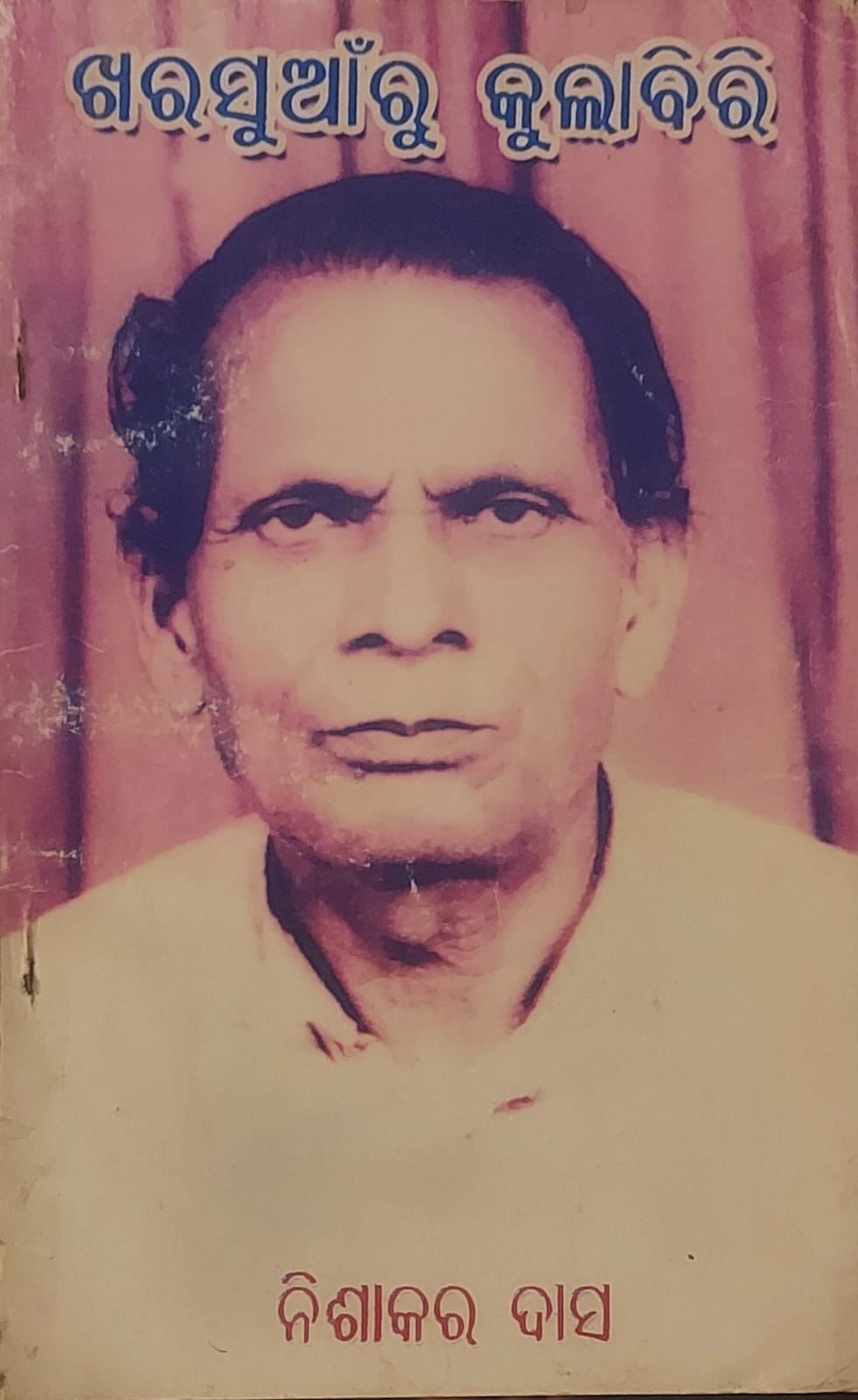
ଏହି ପରିସ୍ଥିତିରେ ଆଲୋଚ୍ୟ ପୁସ୍ତକର ପ୍ରକାଶନ ଏକ ସ୍ୱାଗତଯୋଗ୍ୟ ପଦକ୍ଷେପ । ଏହି ଆତ୍ମଜୀବନୀର ନାୟକ ହେଲେ କୋରାପୁଟ ଜିଲ୍ଲାର ଜଣେ ଅନତିପ୍ରସିଦ୍ଧ ସର୍ବୋଦୟ କର୍ମୀ ଶ୍ରୀ ନିଶାକର ଦାସ । ନିଶାକର ବାବୁଙ୍କର ଜନ୍ମ ଖରସୁଆଁ ନଈ କୂଳର ସିଂହପୁର ଗାଆଁରେ । ଜାତିରେ ପାଣ ବୈଷ୍ଣବ, ଜନ୍ମ ଗୋଟିଏ ନାମମାତ୍ର ଚାଷୀ ପରିବାରରେ । 

ପିଲାବେଳେ ଦାସ ମହାଶୟ ବହୁତ ଶୀଘ୍ର ଚାଟଶାଳୀ ପାଠ ସହିତ ବିଜାର ହୋଇଗଲେ । ଏହା ନିଶାକର ବାବୁଙ୍କର ଏକୁଟିଆ ବ୍ୟକ୍ତିଗତ ଅନୁଭୂତି ନୁହେଁ । ଆଜି ମଧ୍ୟ ବିଦ୍ୟାଳୟ ଶିକ୍ଷା ଆଦିବାସୀ ଓ ଦଳିତ, ବହୁଜନ ପିଲାଙ୍କୁ ସଂସ୍କୃତିଛଡ଼ା କରେ । 

ନିଶାକର ବାବୁଙ୍କର ନିଜର ଇସ୍କୁଲ ମାଷ୍ଟରଙ୍କ ଠାରୁ ଛାଟ ଖାଇବାର ମଧ୍ୟ ‘ସୌଭାଗ୍ୟ’ ହୋଇ ନଥିଲା । ଜାତିରେ ପାଣ ବୈଷ୍ଣବ ହୋଇଥିବାରୁ ଅବଧାନେ ମାଡ଼ ମାରିବାର ଥିଲେ ଛାଟ ଫୋପାଡ଼ିବେ । ହାତରେ ଛାଟ ଧରି ମାରିଲେ ଅଛୁଆଁ ହୋଇଯିବେ ସେ । 

ଏପରି ଭେଦଭାବର ସମ୍ମୁଖୀନ ହୋଇ କେତେଟା ପିଲା ଇସ୍କୁଲରେ ତିଷ୍ଠନ୍ତେ ବା କିଛିଟା ଶିଖନ୍ତେ? ଏଣୁ ସାତ ବରଷରେ ତିନି ଶ୍ରେଣୀ ଉଠିସାରି ନିଶାକର ବାବୁଙ୍କର ବସ୍ତାନିରେ ଚିରକାଳ ଲାଗି ଗଣ୍ଠି ପଡ଼ିଲା ।

ଏହାପରେ କିଛି ସମୟ ଯାତ୍ରା ଦଳରେ କାମ, ପୁରୋହିତଗିରି ଇତ୍ୟାଦି କରିସାରିଲା ପରେ ସେ ଯୋଗଦେଲେ ଭାରତଛାଡ଼ ଆନ୍ଦୋଳନ ତଥା ଗାନ୍ଧୀଙ୍କର ସୃଜନାତ୍ମକ କର୍ମରେ । ସ୍ୱାଧୀନତା ପରେ ଯେଉଁ ଅଳ୍ପ କେତେଜଣ କଙ୍ଗ୍ରେସ କର୍ମୀ କ୍ଷମତା ରାଜନୀତିରୁ ଦୂରରେ ରହି ତୃଣମୂଳ ସ୍ତରରେ ପରିବର୍ତ୍ତନ ପାଇଁ ଚେଷ୍ଟା ଜାରି ରଖିଥିଲେ ସେଥିମଧ୍ୟରେ ସେ ଥିଲେ ଅନ୍ୟତମ । 

ଉପକୂଳବର୍ତ୍ତୀ ଅଞ୍ଚଳରେ କିଛିବର୍ଷ କାମ କରିସାରିଲା ପରେ ଦାସ ମହାଶୟ କୋରାପୁଟ ଜିଲ୍ଲାରେ ଭୂଦାନ ଓ ସର୍ବୋଦୟ କାମ ମାଧ୍ୟମରେ ଆଦିବାସୀ ଓ ଦଳିତମାନଙ୍କର ଉତ୍ଥାନ ପାଇଁ ଏପର୍ଯ୍ୟନ୍ତ ଚେଷ୍ଟା କରିଆସିଛନ୍ତି । ଏହି କାମ ପାଇଁ ମାଡ଼, ଗାଳି ଖାଇଛନ୍ତି । ନିଜ ଉପରେ ହୋଇଥିବା କେଇ ଡଜନ ମିଛ ମୋକଦ୍ଦମା ଲଢ଼ିଅଛନ୍ତି । ଆଉ ଜୀଇଁଛନ୍ତି ଜଣେ ଦରିଦ୍ର ଜନସେବକର ଜୀବନ ।

ହେଲେ ଏ ସବୁ ଭିତରେ ଜଣେ ଦଳିତ ଭାବରେ ତାଙ୍କର ଚେତନା ସ୍ପଷ୍ଟ ଦୃଶ୍ୟମାନ । ଆଜିକାଲି ଅନେକ ସମୀକ୍ଷକ (ଓଡ଼ିଆ ଭାଷାରେ) ଏହା କହି ବୁଲୁଅଛନ୍ତି ଯେ ଜାତିଗତ ରାଜନୀତି ଦୃଷ୍ଟିରୁ ଓଡ଼ିଶା ଏକ ବ୍ୟତିକ୍ରମ । କାରଣ ଓଡ଼ିଶାରେ ଜାତିଗତ ବୈଷମ୍ୟ କୁଆଡ଼େ ଏତେ ଉତ୍କଟ ନୁହେଁ । କିନ୍ତୁ ନିଶାକର ବାବୁଙ୍କର ଆତ୍ମଚରିତରୁ ଏହା ସ୍ପଷ୍ଟ ଯେ, ଜାତିଗତ ଭେଦଭାବ ଓଡ଼ିଆ ସମାଜର ଶିରା ପ୍ରଶିରାରେ ଭେଦି ହୋଇ ରହିଛି । 

ନିଶାକର ବାବୁଙ୍କର ପିଲାଦିନେ କଟକ ଜିଲ୍ଲାର ମୋଗଲବନ୍ଦୀ ଗାଁ ଦାଣ୍ଡରେ (କେଉଁ ‘ଅନ୍ଧାରି’ ମୂଲକରେ ନୁହେଁ) ଜଣେ ପାଣ କିମ୍ବା କଣ୍ଡରା ଜାତିର ପିଲା ଧୋତି ଚାଦର ପିନ୍ଧି, ଛତା ଖଣ୍ଡିଏ ଧରି ଚାଲିଯିବା ପାଖାପାଖି ଅସମ୍ଭବ ଥିଲା । ଏହିପରି ଧୃଷ୍ଟତା କଲେ ଉତ୍ତମ ମଧ୍ୟମ ବସିବାରେ ଯଥେଷ୍ଟ ସମ୍ଭାବନା ଥିଲା । 

ଏବେର ପରିସ୍ଥିତି କିଛି ବିଶେଷ ଭିନ୍ନ ନୁହେଁ । ରାଜଧାନୀର ଉପକଣ୍ଠର ଗାଆଁଦାଣ୍ଡରେ ଦଳିତ ଜାତିର ପିଲାଟିଏ ସାଇକେଲଟିଏ ଚଢ଼ି ଚାଲିଯିବା ଏକ ଧୃଷ୍ଟତା । ଏବଂ ତାଙ୍କୁ ଶାସନ କରିବା ପାଇଁ ଏବେ ମଧ୍ୟ ଗାଆଁ (ଓ ସହର) ମାନଙ୍କରେ ଅନେକ ଲୋକ ଅଛନ୍ତି ।

ଜୀବନସାରା ଅନେକ ଭେଦଭାବ ତଥା ହିଂସା ଭୋଗି ମଧ୍ୟ ଶ୍ରୀ ନିଶାକର ଦାସ ମାଳ ଅଞ୍ଚଳର ଲୋକଙ୍କ ସହିତ ଜୀବନ ବିତାଇଛନ୍ତି । ସେହି ଅଞ୍ଚଳର କନ୍ୟା ସହିତ ବିଭା ହୋଇ ସଂସାର କରିଛନ୍ତି । ଏବଂ ସେବାର ଏକ ଆଦର୍ଶ ଆମ ସମସ୍ତଙ୍କ ଆଗରେ ଗଢ଼ିଚନ୍ତି । ଆଜିର ପରିବର୍ତ୍ତିତ ସାମାଜିକ ପରିପ୍ରେକ୍ଷୀରେ ହୁଏତ ଏହି ଦୁଆ ଉଠିପାରେ ଯେ ସେ ଭେଦଭାବ କିମ୍ବା ହିଂସା ଗୋଟିଏ ଜାତିର ଅନୁଭୂତି ନୁହେଁ, ଜଣେ ବ୍ୟକ୍ତିର ଅନୁଭୂତି ମାତ୍ର । 

ତେଣୁକରି ଏହିପରି ଆହୁରି ଅନେକ ଆତ୍ମଜୀବନୀ ଓଡ଼ିଆ ଭାଷାରେ ପ୍ରକାଶିତ ହେବାର ଆବଶ୍ୟକତା ରହିଅଛି । ଏହି ପୁସ୍ତକର ପ୍ରକାଶନ ପାଇଁ ଶ୍ରୀଯୁକ୍ତ ନୀଳକଣ୍ଠ ରଥ ମହାଶୟ ଓ ବିତରକ ସଂସ୍ଥା ଶିକ୍ଷାସନ୍ଧାନ ଆମର ଧନ୍ୟବାଦର ପାତ୍ର । ଯେକୌଣସି ନୀରବତାର ଅନ୍ତ ପାଇଁ ଗୋଟିଏ କଅଁଳ ଉଚ୍ଚାରଣ ହିଁ ଯଥେଷ୍ଟ । ଆଶା କରିବା ଯେ ଏହି ବହିର କଅଁଳ ଉଚ୍ଚାରଣଟି ଅନେକ ସମ୍ବାଦର ସୂତ୍ରପାତ କରିବ ।

ବହି ବିଷୟରେ ବିବରଣୀ: ନିଶାକର ଦାସ । ୨୦୦୫ । ଖରସୁଆଁରୁ କୁଲାବିରି । ପ୍ରକାଶକ - ନୀଳକଣ୍ଠ ରଥ । ବିତରକ - ଶିକ୍ଷାସନ୍ଧାନ, ଭୁବନେଶ୍ୱର । 

ଟୀକା: ଏହି ସମୀକ୍ଷାଟି ପ୍ରଥମେ ଗୋଟିଏ ଅଲଗା ଶୀର୍ଷକରେ ପାକ୍ଷିକ ପତ୍ରିକା ସମଦୃଷ୍ଟି ୩(୧୨) ରେ ୨୦୦୮ ସାଲରେ  ପ୍ରକାଶିତ ହୋଇଥିଲା । 

Friday, December 22, 2023

What mushrooms are good for

Sailen Routray

Photo credit - Wikimedia Commons

Yes. Fungi are good to think with. This is what I learnt by reading Michael Hathaway’s book What a Mushroom Lives For. While I did not learn what a mushroom lives for, not in any great detail, I did learn this.

Fungi are good to think beyond the animal centricity of social sciences. Even when social sciences try to escape anthropomorphism, the vision of life generally does not expand beyond the animal kingdom. Fungi are an important part of human lifeworlds; thus, it is important that an expanded social scientific worldview gives them their due.

Like humans, monkeys, dogs and dolphins, fungi also learn. But what does learning mean for fungi? Terms developed for understanding human actions, like ‘learning,’ if carelessly extended to other species can anthropomorphize them, interpreting their actions in exclusively human terms. On the other hand, if we make the case that no other species other than humans can learn, explanations end up being anthropocentric. This is not very useful in understanding other lifeforms, like fungi, and the ways in which our own very human lives are entangled with them.

To illustrate: There was a time when fungi did not know how to break down the woody material of trees called “lignin”. Dead trees piled up for millions of years, and later converted into coal and mineral oil through geological action. According to one theory, the carbon age ended when fungi learnt how to digest lignin – one of the more important ways fungi have shaped the world.

The lives of fungi and plants have been entangled for a very long time. Fungi have been critical actors in the territorial colonization of the earth by plants. Fungi helped plants leave the oceans and colonize the continents. They also helped plants, by creating symbiotic relationships with them, create the atmosphere and the soil as we know these now. By disintegrating and decomposing rocks, creating soil, and helping plants grow, they have been crucial players in making continents inhabitable and green. Through symbiotic relationships with plants and trees, and by making vital minerals available to them, fungi have been central in the creation of many ecosystems such as forests. By working as super decomposers, they also help break down the woody mass of trees into recyclable biomaterial.

Thus, like other lifeforms such as humans, fungi also shape the world. Hathaway uses the concept, ‘world making’ to walk the razor’s edge between anthropocentrism and anthropomorphizing. Nowhere is the usefulness of this concept more evident than in understanding fungi as agents. Yes. Fungi are good to think with about agency. When humans try to understand organisms like fungi, whose actions (movement and eating other living beings) may be invisible to us, we do not necessarily see them as active agents shaping the world. In this context, Hathaway deploys the concept of ‘world making’ to understand the way fungi, as agentic beings, live their lives and make the world.

Instead of looking at the action of a single, individual fungus, Hathaway sees the work of fungi as modes of ‘collective agency’ that made (and still make) the world as we know it now. Thus, ‘fungi are also good to think with’ about how we understand natural processes like evolution. If we think beyond animal centricity - with its focus on individuals and discrete species, that thrive or perish, in a ‘struggle for survival’ – and focus on fungi, we can grasp how close, mutually sustaining relationships and thus cooperation (e.g., between fungi and plants), have been integral parts of the process.

Hathaway unpacks these questions and debates within the context of a specific species of mushroom, matsutake, that are an important part of the culinary culture of Japan. The demand for these mushrooms is now being met primarily through imports, especially from the Yunnan Province of China. Matsutake mushrooms have resisted being cultivated by humans. Hence, they must be picked where they bloom in the wild. Hathaway explores how starting in the 1980s, the matsutake have shaped and transformed two different communities in the province, the Yi and the Tibetans.  

Yi are an ethnic minority group, a majority of whom live in the Yunnan province, especially in its mountainous areas. Yi have used the newly gathered wealth from the matsutake harvests (no matter how modest by national or international standards) to finance assertions of cultural autonomy involving usage of Yi language, holding Yi music and dance festivals, and running restaurants serving Yi cuisine.

Tibetan communities inhabit the highlands of the province, that are, in fact, the lowlands of the Tibetan universe. A lifeworld built with barley and yaks, as central beings over millennia, has now changed with the matsutake as the driver. Tibetans are building neo-traditional houses and buying trucks with the matsutake money, thus reclaiming their heritage as traders in the trans-Himalayan region of Southern China.

The fact that the matsutake degenerate fast, and the Japanese desire them fresh, has determined a large number of the changes in the lifeworlds of these communities, which includes the building of roads and other communication channels in the region. Thus, fungi are good to think with, about the changing dynamics of human lifeworlds as well.

When we (along with Hathaway) think with fungi, we also meet scientists like Jakob Johann Freiherr von Uexküll, who help us understand how all kinds of organisms (and not just animals) experience and create worlds, and scholars such as Mendel Skulski, Paul Stamets and Willoughby Arevalo, who bring a much-needed focus on fungi.

If you want to know more about how critical fungi are to life, what matsutake mushrooms can tell us about changing social dynamics of human communities, and how to think creatively about some intractable and difficult questions in the human sciences surrounding agency and action, then you could, perhaps, do nothing better than read What a Mushroom Lives For.

Details about the book: Hathaway, M. J. 2022. What a Mushroom Lives For: Matsutake and the Worlds They Make. Princeton and Oxford: Princeton University Press. 270 pp. ISBN 978-0691225883.

Note: This book review was first published in the year 2023 in the journal Environment and Society 14(1).

Friday, December 8, 2023

Many cities, many voices

A review of 'Masani Sahara Dilli'

Sailen Routray


Mashani Sahara Dilli is an important book for many reasons, one of which is its sheering honesty. This Odia novel tells us stories that are marginal to the aspirational India we are supposed to inhabit these days. These are narrated from the vantage point of Anurag, a Government of Odisha officer who is now posted in Delhi for work. He lives alone in the city (we do not know where his family lives, the novel is mostly silent about it) and explores Delhi primarily through his interactions with its subaltern characters. One of the first persons he seeks out is Ramdulal, an elderly Dalit shoe repair person, who has a stall not far from where Anurag lives.

Over his stay in Delhi, Anurag becomes friends with Ramdulal, visits his stall even when he does not have any work to share cups of tea, sometimes visiting Ramdulal’s home in Sarita Vihar which he shares with his children, his wife being there no more. Over the course of his acquaintance with Ramdulal, Anurag gets to know of his decades long struggle to get a foothold in Delhi, after leaving his village in UP’s Rae Barely district. After spending nearly five decades in the city, he has finally put down roots in Delhi. His son works as a mechanic. His daughter takes care of the house and the household. 

Ramdulal’s story provides the backbone to the structure of the novel, albeit a makeshift one. Through multiple visits, Anurag gets his life story out for us, one episode at a time. This story is perhaps, unfortunately, a common one. A Dalit adolescent orphaned by the murder of his father by upper caste men over a trivial matter, Ramdulal suddenly has to fend for himself after his mother also dies of the shock. Finding it difficult to make a living as a shoeshine boy working in trains, while living in the home of his maternal uncle, he leaves for Delhi where over a period of time he finds community and family.

Through Ram Dulal’s story, the novel also provides a micro history of the slum areas of Sarita Vihar locality, where after his first few explorations in the city, Ramdulal settles down. He finds a mentor in Chandulal, who helps him clear a plot of land and put down roots. Around the same time, Ramdulal falls in love with Chhabeli, an orphaned Dalit girl who works as a sweeper in the road on which Ramdulal has a stall, and they decide to become man and wife. 

Through descriptions of the visits that Anurag makes to the Sarita Vihar slums, we get a sense of the ethnographic history of this area. Around half a century back, the area was almost a jungle through which a stream flowed. Dalits and Muslims first settled in the area, slowly cleared the forest, bearing the brunt of wild beasts such as the boars who roamed the place and often attacked people. 

This ethnographic eye is visible when Anurag describes other encounters as well. On a park he comes in contact with a group of young and middle-aged plumbers from Kendrapada with whom he becomes pally. He also gets to know a community belonging to a caste known as ‘Ganaa’ from Western Odisha, who started migrating to Delhi from the time the British shifted the capital to the city in 1911. We also come to know of other aspects of micro communities such as the living conditions of those inhabiting the servant quarters of bureaucrats on rent and the festivities of the Nepali community in his neighborhood. 

But all through this, the story that acts as the backbone of the novel is that of Ramdulal. We get to hear of Ramdulal’s history from multiple vantage points. Sometimes the point of view is that of Anurag whose telling occasionally slips into that of the omniscient third person narrator. On other occasions we hear the narrative as a first person account from Ramdulal himself, which suddenly gives it an intimacy and immediacy we often encounter in Dalit autobiographies.

Through the reactions that Ramdulal’s story produces in Anurag we get to know that Anurag is himself Dalit, who often encountered discrimination in school in his village as a student. The same experiences continue in his office in Delhi now, where casteist colleagues often disparage him because of his jati background and create difficult conditions at work. 

As a Dalit who is conscious of structures of oppression, Anurag is often impatient of the apparently simple minded Ramdulal who believes in gods and goddesses and visits the local temple regularly, which seems to be the center of sociality in the area, anchored by an orthodox priest. But through a process of continuous engagement, Anurag and Ramdulal come to know each other’s lifeworlds and motivations better. 

This book is perhaps autobiographical in nature, at least in parts. Basudev Sunani, the author, was posted in Delhi for a few years (as he mentions in the dedication of the novel to his wife ‘Sanu’), like Anurag, the protagonist. The latter’s voice seems substantively identifiable with that of the author himself. He often comes to stand in for the author. 

We see Delhi through Anurag’s eyes. The only reason why a character is introduced in the novel is because Anurag comes across him in Delhi. Therefore, this enforces a certain episodic nature on the narration. This has perhaps led to the division of the book into chapters with titles. Despite this, however, the book can feel meandering at times. This has perhaps more to do with ineffective editing than any structural reasons. 

Nonetheless, the novel does manage to hold one’s interest all throughout and is an engaging read. This has to do with the natures of the stories themselves for which the novel acts as a vessel. My biggest quibble is with the title itself, which literally means ‘Delhi – The Graveyard City.’ Perhaps it was better titled as ‘Delhi – The City of Rebirth,’ as it is filled with stories of grit, survival and flourishing against great odds, stories that only an urban space like Delhi seems to make possible. 

Bibliographic Details: Basudev Sunani. 2020. Mashani Sahara Delhi. Bhubaneswar: Vishwamukti Publications. 384 Pages. Rs. 450. [Cover by Jayant Parmar]. 

Note: This piece was first published with the title ‘Migrants and Micro-Communities’ in The Book Review 46 (7).

Friday, April 14, 2023

A Brief Discussion of the Book ‘Kalara Bichara’ by Odia Artist Gopal Kanungo

Ramakanta Samantaray and Sailen Routray


Cover of the Book 'Kalara Bichara'

This is the cover of the Odia book ‘KalAra BichAra’ by Odia artist Gopal Kanungo (1904-1971) which is now out of print. It was published in 1955 by Utkal University which was then housed in Cuttack. The printer was Bidhubhushan Misra, Maharaja Shri Ramachandra Utkal University Press, Cuttack. 

The print run was one thousand copies and the book was priced at five and half rupees. ‘KalAra BichAra’ was printed in 1/8 demy size with 161 pages. Including the cover it had 120 illustrations out of which six were colour plates.

The Floor Plan of Konark Temple
(Page 111 of 'Kalara Bichara')


The book’s introduction (originally written in Bengali and then translated into Odia) was by Ramendranath Chakravorty, a pioneer in Indian printmaking. He had written this half page note in 1950 when serving as the Principal of Government School of Art, Calcutta. This means it took around five years for the book’s manuscript to see the light of print. 

The volume had thirteen chapters that included themes ranging from Indian and various other Asian artistic traditions, European art forms and technical aspects of temple architecture, modern sculpture and architecture.

The Ashokan Elephant of Dhauli
(Page 129 of 'Kalara Bichara')

He was born in Lentigada village in undivided Puri district. His father Jagabandhu Kanungo, among other work, served as the Dewan of the princely state of Damapada and as the manager of the Sakhigopal temple near Puri. 

Gopal Kanungo did part of his school education in the famous nationalist institution Satyabadi Bana Bidyalaya. Then he went on to study for a BA degree in Ravenshaw College at Cuttack followed by a stint (1928-34) in Government School of Art, Calcutta. 

He then worked as an art teacher at Government High School Balasore. He also taught in Government Art School, Khallikote for some time.

Illustration of 'ChitA', a folk art form of Odia women
(Page 63 of 'Kalara Bichara')

Gopal Kanungo was a major artist and designer of his times and undertook one of the first experimentations with cubism and expressionism in the state. He was also a major writer in Odia and is now chiefly remembered as the translator of Omar Khayam’s ‘Rubaiyat’ (1954) into Odia. A major contribution of his to Odisa’s artistic discourse was the book ‘Utkalara ChitrakalA’ (1964) published by Orissa Lalit Kala Akademi.

Wednesday, February 8, 2023

Are you ready to steal?

Sailen Routray


Like any good book, when you read 'Steal Like an Artist' it feels as if it was written specifically for you. It is so good that when I am starting to write my impressions of the book now, I am making a mental note that as soon as I finish this post, I am going to start reading it again.

Although the superior kind of self-help (say, 'How Proust Can Change Your Life') and manual-like tomes (e.g., 'Bird by Bird') are a guilty pleasure for me, the bar that I have for such books is pretty high, despite the absolute rubbish that seems to be the norm in these genres. 

However, 'Steal Like an Artist' ticks all the boxes. The first thing that draws your eyes is its size. It is square - eight fingers wide, eight fingers long - and I just love square books, they look lovely when you open them. The cover is simple and striking too with letters in white, handwritten font on a pitch black page.

The volume is filled with sketches, photographs, doodles, comic book like panels and graphics that not only reinforce the points that Austin Kleon makes with the text, but are worth ogling at by themselves as well. 

But what is the book about? Well... The book is about how to steal like an artist. Exactly how? The book tell you how in ten pithy chapters, with each giving you one nugget of wisdom. Such as? 'Be boring!'

I do not know about you. But after living most of my adult life till recently as an extension of my adolescence with obsessive attempts at being interesting, this advice to be boring is exactly what the doctor ordered for me.

'Steal Like an Artist' is filled with practical and useful advice, culled from lived experience, and shared in a fun, engaging and anecdotal way about letting your creativity flow and channelizing it to do stuff that is useful for you and for others. And it is a fast read. What more could you ask from a book?

Details about the Book: Austin Kleon. Steal Like an Artist: 10 Things Nobody Told You About Being Creative.

There are no places to get lost in anymore Sailen Routray Photographic art based on pastel chalks Photo credit: Wikimedia Commons/Dietmar Ra...